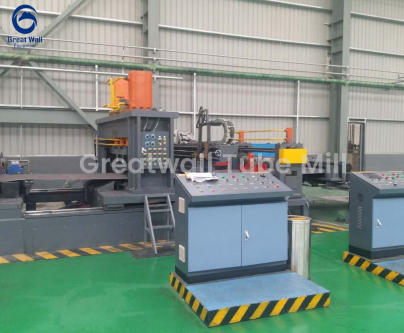
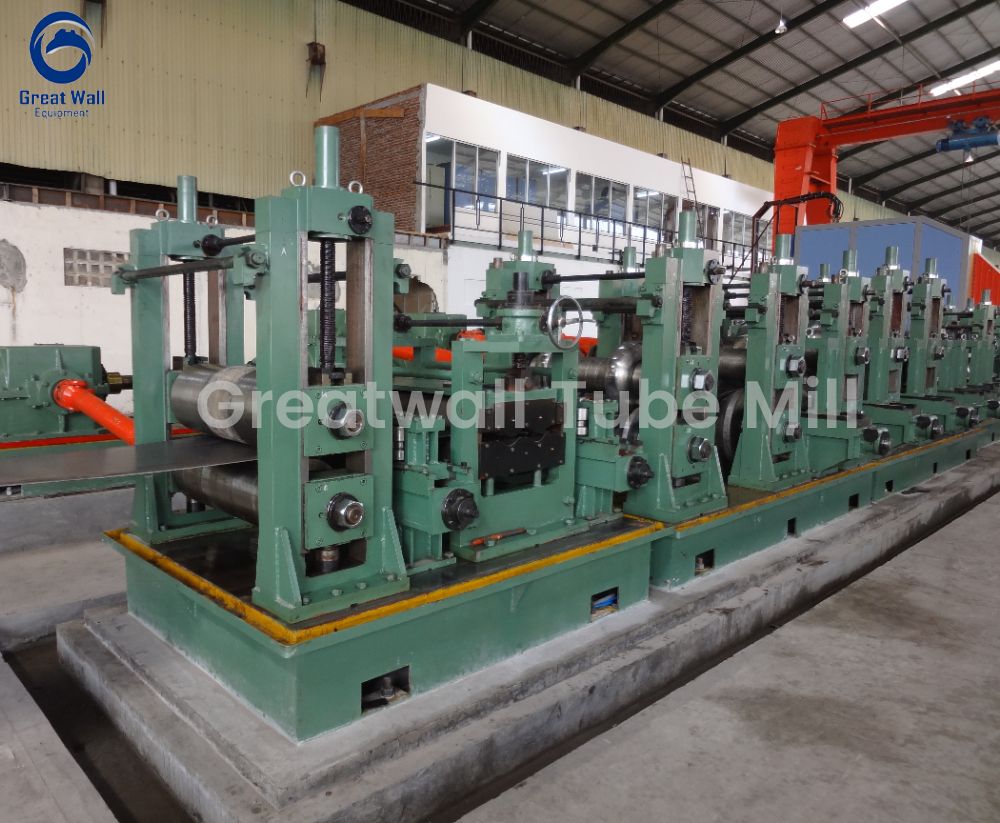
A Tube Mill is a sophisticated manufacturing machine designed to produce welded and seamless tubes, which are crucial in various industries such as construction, automotive, and machinery. Tube mills are essential as they enable businesses to create high-quality pipes and tubes with precision, efficiency, and durability. By leveraging advanced techniques, tube mills facilitate the mass production of components while maintaining tight tolerances, often achieving precision to within 0.01mm. This level of accuracy is vital for ensuring the structural integrity and performance of finished products.
Understanding the intricacies of tube mills requires diving into their historical context and industrial significance. The technology for tube production dates back to the early 20th century when manufacturers began experimenting with various processes for shaping metal. Over the decades, advancements have transformed tube mills into powerhouses of production, adapting to the evolving needs of industries, driven by the demand for lightweight, strong, and corrosion-resistant material.
The practical uses of tube mills extend far beyond basic manufacturing. These machines are pivotal in producing components for various applications, from small plumbing tubes to large structural members used in skyscrapers and bridges. Moreover, industries such as oil and gas, where high-performance tubes are crucial, extensively utilize tube mills. The ability to produce tubes that adhere to stringent quality standards, such as ASTM and DIN, makes tube mills an invaluable asset to manufacturers looking to meet their rigorous specifications.
Despite their significance, several misconceptions about tube mills exist. A common error is the assumption that all tube mills operate in the same way. In reality, tube mills vary in their design and operation based on the intended application. Some mills specialize in generating specific tube sizes or profiles, while others are versatile enough to handle a range of products. It's also important to note that the terminology surrounding tube production can be misleading; for instance, the terms "welded" and "seamless" indicate different manufacturing techniques with distinct advantages and limitations.
To further illustrate the importance of tube mills, consider the case study of a leading automotive supplier. This company invested in a high-speed tube mill from Great Wall Equipment that improved its production efficiency by 30% while also ensuring 100% inspection of every piece produced. By aligning with stringent quality standards and utilizing advanced tube milling technology, they significantly reduced material wastage and enhanced overall product quality.
In summary, tube mills represent a cornerstone of modern manufacturing, playing an integral role in various industries by producing high-quality tubes and pipes with unmatched precision. Understanding how tube mills work, their advantages, and the common misconceptions surrounding them can empower businesses to make informed decisions that enhance their productivity and competitiveness. As you explore the potential benefits of tube milling, consider how integrating Great Wall Equipment’s innovative solutions can streamline your production processes and lead to greater operational efficiency. For more detailed insights, visit Great Wall Equipment, and discover how tube mills can elevate your manufacturing capabilities.
Previous: None
Next: Tube Mill Production Line Optimization Tips for Efficiency
Latest News
CONTACT US
In addition to providing comprehensive services for equipment research and development, design, production, and sales, we also offer on-site installation and online remote guidance services.