In the fast-paced manufacturing landscape, the emergence of advanced pipe production lines has transformed the way industries operate. These systems enhance efficiency, reduce costs, and improve the quality of pipe fabrication. However, many businesses still face challenges in adapting to these innovative technologies. Delving into the functionality and significance of a pipe production line can help industries streamline their operations and address critical pain points such as slow production rates and high operational costs. This article focuses on clarifying what a pipe production line is, its applications, advantages, and how it plays a crucial role in modern manufacturing.
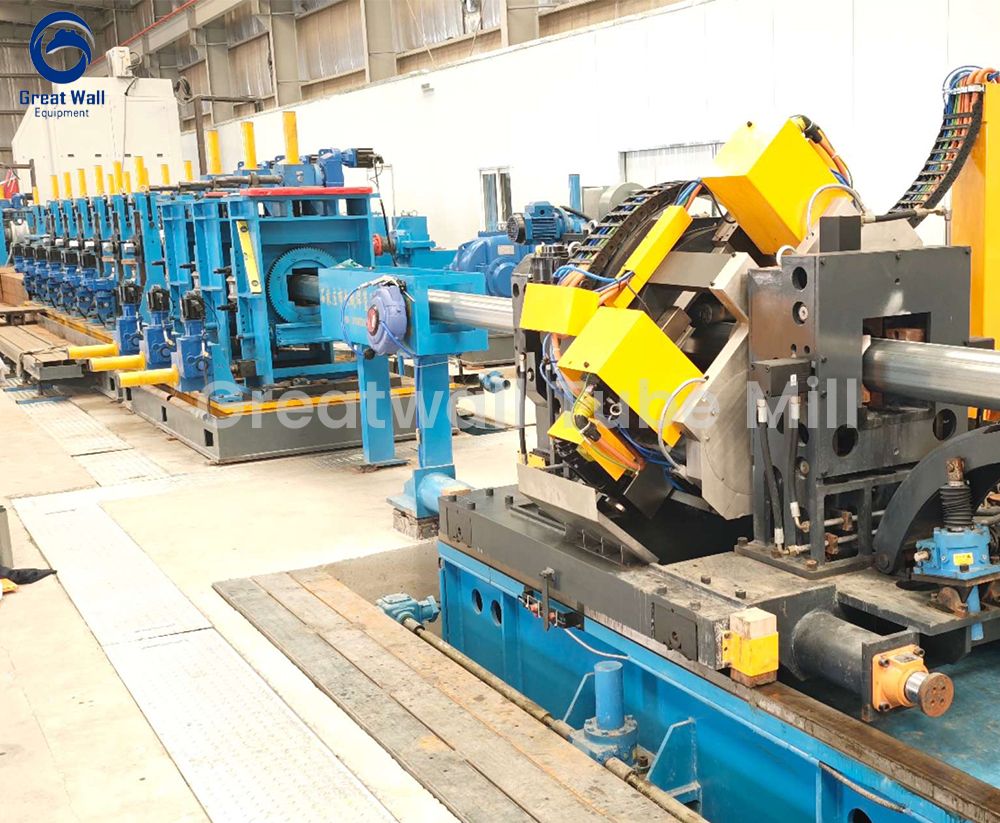
A pipe production line is an integrated system designed for the efficient manufacturing of pipes from various materials, including metal, plastic, and composite materials. It encompasses several stages from raw material handling to final product wrapping and packaging. These production lines utilize advanced technology, such as automated machines and robotics, to achieve high precision and output rates.
In the context of pipe production, key industry terms include:
Pipe production lines find applications across multiple industries, including:
Each of these fields requires pipes that meet specific standards in terms of durability, flexibility, and resistance to environmental factors. The adaptability of pipe production lines allows manufacturers to respond effectively to diverse market demands.
The importance of a pipe production line cannot be overstated. Here are several advantages that contribute to its significance in industrial settings:
These tangible benefits underline the necessity of adopting efficient production lines in today’s competitive market.
To fully leverage the advantages of a pipe production line, businesses should consider the following steps:
By following these guidelines, companies can ensure a successful transition to more advanced pipe manufacturing processes.
Common materials include stainless steel, PVC, polyethylene, and copper.
Consider factors such as your production volume, the type of pipes you require, and your budget. It's also beneficial to consult with experts at machinery firms like Great wall equipment.
Yes, regular maintenance is essential to ensure the longevity and efficiency of the production line. This includes routine inspections, cleaning, and replacement of worn-out parts.
For further understanding, explore additional resources or consider visiting the Great Wall Equipment website, where you can find user guides, product specifications, and contact information for expert assistance.
By comprehending the operational mechanics and advantages of a pipe production line, industries can effectively address common production challenges and enhance their overall productivity. The transition to advanced manufacturing solutions is an investment into the future of responsive and efficient industrial operations.
Latest News
CONTACT US
In addition to providing comprehensive services for equipment research and development, design, production, and sales, we also offer on-site installation and online remote guidance services.

