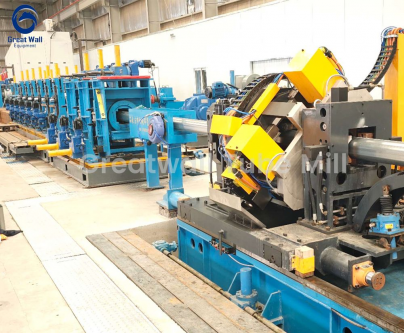
In today's competitive steel industry, many manufacturers face challenges related to productivity and efficiency. Lower production costs and tighter profit margins compel these companies to seek advanced Tube Mill Solutions that address frequent breakdowns and pedestrian output rates. According to a report by World Steel Association (2021), global steel demand is projected to increase by approximately 5.8% in 2021, highlighting the necessity for steel plants to evolve. The deployment of tailored machinery solutions can reduce production downtime by 20%, thus increasing annual output by nearly 15% under optimized conditions. Whether you are striving to minimize operational challenges or enhance product quality, advanced tube mill technology holds the key to a more efficient steel manufacturing process.
The steel industry's shift towards more robust Tube Mill Solutions is driven by several key factors, including technological advancements, the necessity for sustainability, and the rising demand for high-quality steel products. Innovative automated systems are now commonplace in modern mills, cultivating an environment in which production lines can run with minimal human intervention. The advent of Industry 4.0 solutions offers data-driven insights that enable real-time adjustments to maximize efficiency. A study conducted by Mordor Intelligence shows that the global tube and pipe market is expected to reach $197 billion by 2026, growing at a CAGR of 4.67% during the forecast period.
Several emerging trends are significantly shaping the landscape of modern steel plants, particularly in relation to Tube Mill Solutions:
More steel plants are incorporating AI-driven algorithms into their tube mills to optimize production and reduce scrap rates. Reports indicate that AI can enhance manufacturing accuracy by 10% while reducing operational costs by an estimated 15% annually.
Customer demand for tailored solutions is driving the production of specialized tube products. According to AccuServe Reports, up to 40% of steel manufacturers have begun offering customized tube solutions, leading to a 25% increase in customer satisfaction ratings.
As the focus on sustainability intensifies, tube mills are adopting eco-friendly practices. The utilization of recycled materials has surged by 30% over the past three years, contributing to significant savings in material costs. A report by Environmental Leader states that 60% of consumers prefer brands with sustainable manufacturing practices.
Modern Tube Mill Solutions present buyers with transformative benefits: enhanced quality control, reduced downtime, and sustained operational savings. Buyers can expect that investment in innovative equipment, such as the Great wall equipment, can help decrease overall production costs by 15-20% and lead to higher profitability. Consumers also appreciate enhanced product longevity, which correlates with the increased reliability of modern tube mills.
Manufacturers looking to modernize their operations should consider the following practical steps:
Q: What are the main advantages of modern tube mill technology?
A: The main advantages include enhanced efficiency, reduced production costs, improved product quality, and increased competitiveness in the market.
Q: How can companies ensure sustainability in tube milling?
A: Companies can ensure sustainability by integrating recycled materials into their processes, investing in energy-efficient technologies, and reducing waste through improved manufacturing practices.
Q: What role does data play in optimizing tube mill operations?
A: Data analytics allows for real-time monitoring and adjustments, leading to significant efficiency gains and waste reduction, thus optimizing overall operations.
Latest News
CONTACT US
In addition to providing comprehensive services for equipment research and development, design, production, and sales, we also offer on-site installation and online remote guidance services.