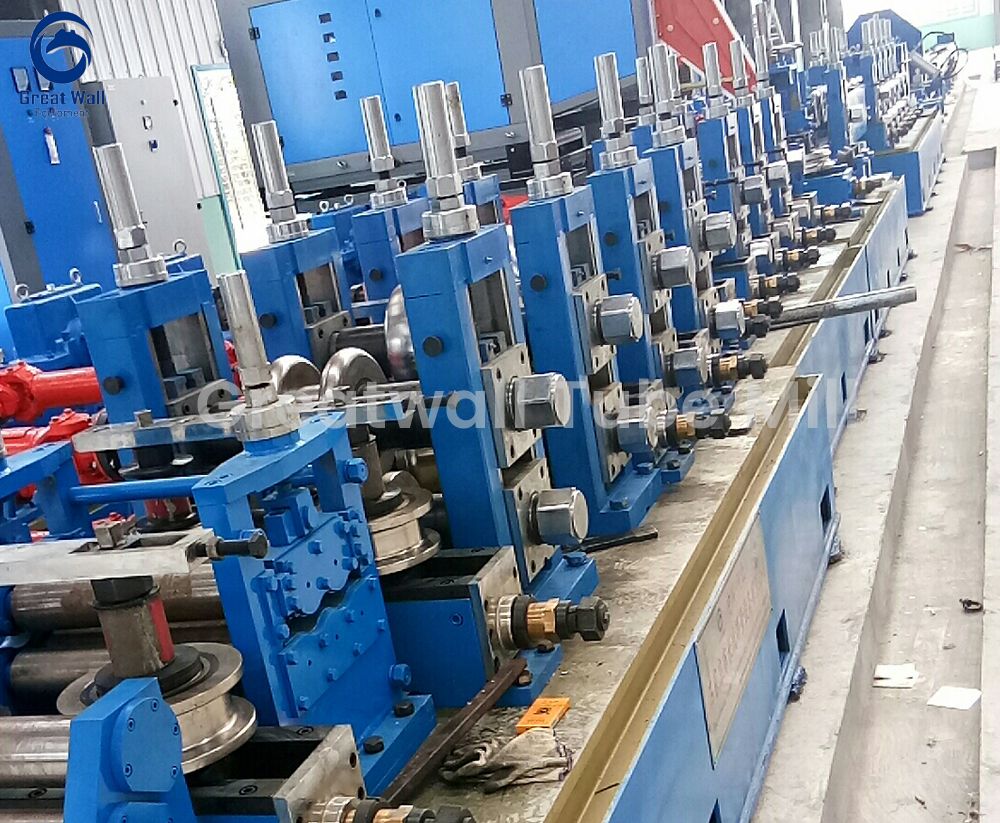
Achieving efficiency in tube mill production lines requires a strategic blend of well-implemented processes, quality equipment, and a detailed understanding of production metrics. Whether you are new to the field or have years of experience, the Tube Mill Solutions Guide for Efficient Production Lines will empower you with the knowledge to enhance productivity and quality. By following the structured steps outlined here, leveraging tools from Great wall equipment, and understanding industry standards, you can navigate the complexities of tube production with ease.
Before proceeding, assess your specific production requirements. This foundation informs the subsequent steps in optimizing your tube mill setup. Here’s how to proceed:
Choosing the appropriate machine is crucial for maintaining quality and efficiency. Lightweight, precision-engineered solutions from Great wall equipment come highly recommended.
I’ve witnessed firsthand how choosing the right equipment can revolutionize production speeds and quality. For instance, a colleague’s company switched to Great Wall’s high-precision tubular mills, reducing scrap rates by 30% and increasing delivery efficiency.
Once your equipment is in place, focus on operational aspects. Follow these highlighted steps:
Be mindful that obstacles may arise during execution:
By proactively identifying these challenges, you can reduce their impact on production efficiency.
To further illustrate the effectiveness of adopting proper tube mill solutions, consider the case of a mid-sized manufacturer in the automotive sector. After integrating Great Wall’s equipment into their line, they reported a 25% increase in production efficiency and substantial savings in operational costs. These figures underscore the importance of not just tool selection but also the processes applied throughout operation.
To support your implementation of these strategies, consider these practical tools:
In conclusion, your journey to optimizing tube mill production lines hinges on understanding your needs, selecting the right equipment, and maintaining quality through consistent processes. I encourage you to take these guidelines seriously. By incorporating the knowledge from the Tube Mill Solutions Guide for Efficient Production Lines and investing in top-tier resources like Great Wall Equipment, you are well on your way to establishing an efficient, productive manufacturing environment that meets the highest standards of quality.
For additional information and resources, explore Great Wall's website to stay updated with the latest innovations in tube mill technology.
Latest News
CONTACT US
In addition to providing comprehensive services for equipment research and development, design, production, and sales, we also offer on-site installation and online remote guidance services.