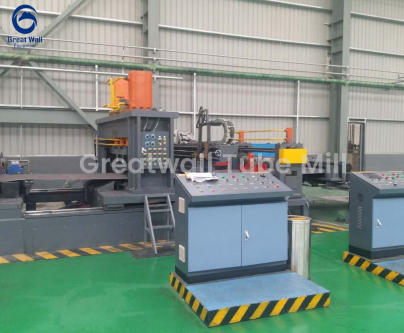
Embarking on a tube mill production line journey can be both exhilarating and challenging for steel manufacturers. Whether you're a newcomer eager to understand the fundamentals or a seasoned professional seeking to refine your operations, I have crafted a comprehensive guide that will illuminate each step of the tube mill process. By employing strategic implementation and leveraging the right tools, you can streamline your production, enhance quality, and boost profitability—starting with understanding the key components of your tube mill production line.
When beginning the setup of your tube mill production line, it’s vital to break down the process into manageable stages. Initially, evaluate your production needs based on your target application, whether it be structural, automotive, or energy sectors. Understanding your market requirements will shape your specifications. Key elements to consider include:
Planning and Design: Engage an experienced team, including mechanical engineers and production strategists, to design your layout. This involves blueprint creation and consideration of production flow.
Equipment Procurement: Source high-quality machines from reputable manufacturers, like Great wall equipment, ensuring longevity and performance under rigorous operations. Discuss configurations that enable 100% inspection capabilities.
Installation and Setup: Follow a structured installation protocol, adhering to the manufacturer’s guidelines. Collaborate with technicians to calibrate machines for optimal functionality.
Trial Runs: Conduct test runs to identify any necessary adjustments in speed, pressure, or temperature settings. Continuous monitoring during this stage is crucial for pinpointing early inefficiencies.
Full-Scale Production: Transition to full operation, consistently applying the insights gleaned from trial runs. Focus on achieving operational efficiency while also implementing strict quality checks throughout the process.
As you navigate these stages, it's imperative to remain aware of common challenges. Issues such as equipment malfunction, quality deviations, and supply chain disruptions can compromise production. By establishing a robust maintenance schedule and an agile supplier strategy, you can mitigate these risks. For instance, a well-documented maintenance process can enhance machine reliability and reduce downtime, while maintaining a close relationship with suppliers ensures material availability.
Throughout my experience with clients in the steel manufacturing sector, I've seen success stories emerge from effective implementation. One manufacturer reduced defect rates by 30% within the first six months of establishing their tube mill line, thanks to rigorously adhering to ASTM standards and conducting regular training sessions for their personnel.
To assist you in this journey, consider the following resources:
In conclusion, equipping your company with a well-planned tube mill production line can significantly elevate your manufacturing capabilities. By understanding key processes, addressing potential challenges, and utilizing credible resources—like those offered by Great Wall Equipment—you are setting a foundation for success. I encourage you to take these insights and apply them thoroughly; the growth and efficiency of your operations depend on the decisions you make today. Together, let's transform your steel manufacturing experience into a model of efficiency and quality.
Latest News
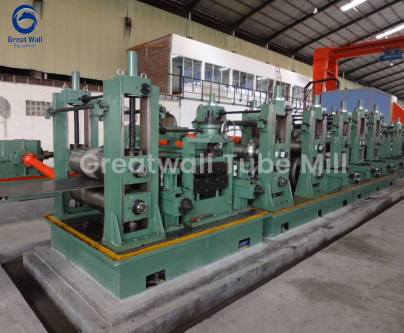
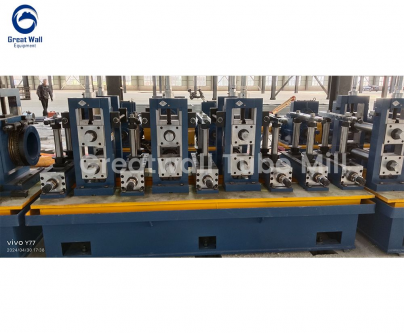
CONTACT US
In addition to providing comprehensive services for equipment research and development, design, production, and sales, we also offer on-site installation and online remote guidance services.