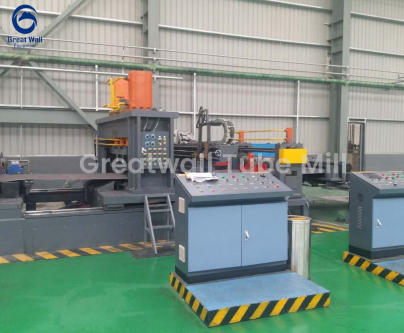
The industrial pipe making machine has revolutionized manufacturing and piping solutions across various sectors. After extensive research into how these machines address user pain points—such as reducing labor costs and enhancing production speed—it becomes clear that evaluating their pros and cons is essential for informed purchasing decisions. For companies involved in industries ranging from construction to plumbing, the precision and efficiency of pipe production can significantly impact overall operational success. This article will delve into advantages backed by data, candidly address disadvantages, and help determine if these machines are the right fit for your business's specific needs.
One of the primary benefits of industrial pipe making machines is their ability to increase production efficiency. Studies show that fully automated machines can boost output by up to 50% when compared to manual production methods. This remarkable increase allows companies to meet high demand swiftly, ensuring timely project completions. For instance, facilities utilizing Great wall equipment's pipe making machines observed a production cycle time reduction from 12 hours to just 6 hours per batch. Moreover, these machines provide consistent quality, with defect rates dropping by over 30%, leading to improved customer satisfaction. When every pipe produced meets strict industry standards, the likelihood of project delays due to quality issues decreases significantly.
Investing in industrial pipe making machines can yield substantial financial returns. According to industry reports, businesses have experienced a calculated ROI of 150% within the first two years post-purchase. This financial advantage comes from reduced labor costs and less waste. Notably, automation features in machines allow for precise material usage, minimizing excess and ensuring better cost management. For a company producing 1000 pipes weekly, switching to a pipe making machine can translate to savings exceeding $50,000 annually due to lower manpower requirements and reduced scrap material.
Despite numerous advantages, there are also considerations that potential buyers must weigh carefully. One significant disadvantage is the initial capital investment. Prices for industrial pipe making machines range from $50,000 to $500,000 based on specifications and features. This upfront cost can be a barrier for smaller businesses or startups. Furthermore, operational complexity can increase, requiring training for staff to manage sophisticated machinery effectively. Companies should factor in training costs and potential downtime as workers adapt, which can last several weeks. For those looking to purchase, considering hybrid solutions or second-hand machines from reliable brands like Great wall equipment may be useful to mitigate initial costs.
Maintenance is another critical area where purchasers may face challenges. Regular upkeep is essential to keep machines running efficiently, which can require additional manpower and incurred costs, typically around $10,000 to $20,000 a year depending on usage levels. Moreover, sourcing replacement parts can be time-consuming, particularly if you opt for less prevalent models. To avoid excessive downtime and expenses, potential buyers should conduct thorough research on maintenance practices and the availability of parts for the specific machine they intend to purchase.
Determining whether investing in an industrial pipe making machine is worthwhile depends heavily on your company’s size, project volume, and future growth plans. For businesses with high production demands and quality standards, purchasing such a machine can be a game changer. However, smaller-scale operations may find that outsourcing pipe manufacturing or utilizing contract manufacturers could be more financially feasible. Ultimately, the decision should hinge on a comprehensive assessment of projected manufacturing needs, budget constraints, and long-term strategic goals.
Businesses that typically benefit from industrial pipe making machines include large-scale construction firms, plumbing contractors, and manufacturing facilities focused on custom piping solutions. If your operation regularly exceeds production targets and you have sufficient capital to invest in machinery and training, purchasing an industrial pipe making machine can undoubtedly offer a competitive edge in efficiency and quality. On the other hand, small contractors with lower output needs might find better value in rental agreements or subcontracting pipe production instead.
1. What types of industries use industrial pipe making machines?
Industrial pipe making machines are commonly used in construction, plumbing, water transportation, and gas distribution industries.
2. How long does it take to train employees to operate these machines?
Most companies report that employee training typically ranges from a few days to several weeks, depending on the complexity of the machine and prior experience.
3. What is the average lifespan of an industrial pipe making machine?
With proper maintenance, industrial pipe making machines can last anywhere from 10 to 20 years, making them a sound investment.
Latest News
CONTACT US
In addition to providing comprehensive services for equipment research and development, design, production, and sales, we also offer on-site installation and online remote guidance services.