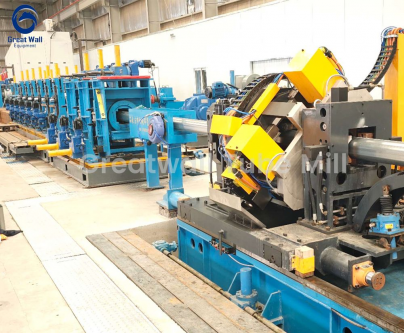
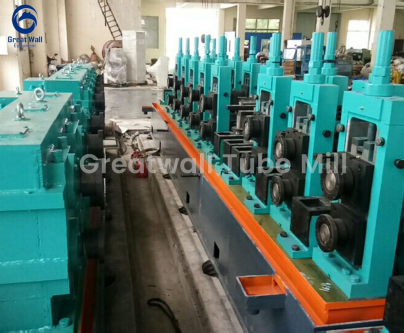
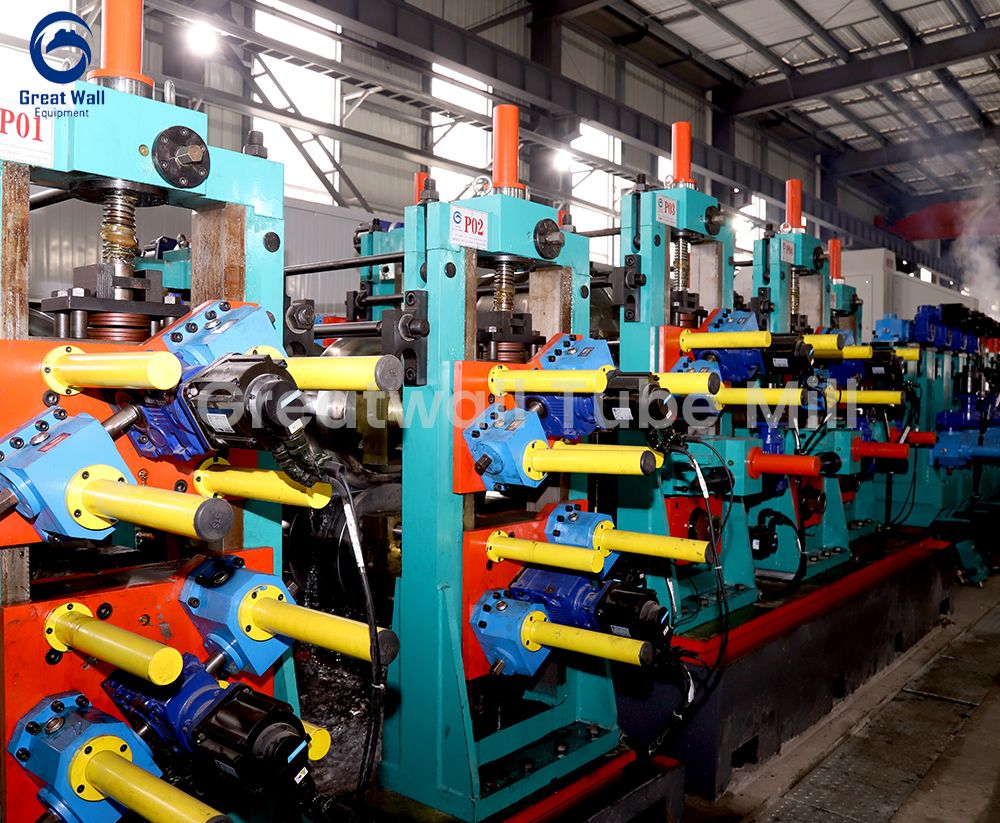
The global pipe production line market is currently facing significant challenges, including rising raw material costs and increasing demand for sustainable manufacturing practices. Manufacturers are grappling with efficiency issues, as production processes need to adapt to meet these evolving requirements. For instance, companies may experience production delays resulting from outdated equipment or insufficient automation. Innovative solutions, such as advanced robotic systems and real-time monitoring technologies, are being implemented to streamline operations, reduce waste, and enhance output. By embracing these trends, businesses can overcome current obstacles and position themselves strategically in a competitive landscape.
The key drivers propelling the pipe production line market include technological advancements, a push for sustainability, and the increasing demand for high-quality products. Companies like Great wall equipment are leading the way with innovations such as high-speed extrusion technologies that significantly enhance production efficiency. For example, the introduction of AI-driven predictive maintenance systems can decrease equipment downtime by up to 30%, thus allowing manufacturers to maintain continuous production cycles.
1. **Increased Automation**: A report from MarketsandMarkets indicates that the global industrial automation market will reach $296 billion by 2025, influencing pipe manufacturing processes significantly. Automation not only increases efficiency but also reduces human error, enhancing overall product quality.
2. **Sustainability Initiatives**: A study by Mckinsey highlights that 70% of manufacturers are investing in sustainable technologies to reduce carbon footprints. This trend includes the use of recycled materials and energy-efficient machinery which can lead to a cost reduction of approximately 20% in long-term operations.
3. **Smart Manufacturing**: The implementation of IoT in manufacturing is expected to generate $50 billion by 2025. Smart sensors and data analytics improve tracking and quality control measures, providing manufacturers with real-time insights into production efficiency.
4. **Customization and Flexibility**: As consumers increasingly demand tailored products, manufacturers are adopting flexible production lines. This leads to a growth of up to 25% in customization capabilities, enabling businesses to cater to diverse market demands efficiently.
The impact of these trends on buyers is manifold. Increased automation and the introduction of advanced technologies mean that buyers can expect higher quality and more customizable products. The move toward sustainable practices not only satisfies consumer demands for responsible sourcing but also often results in cost savings that can be passed on to customers. Moreover, manufacturers equipped with smart manufacturing capabilities can offer reduced lead times, enhancing overall customer satisfaction.
1. **Invest in Automation**: Businesses should consider investing in automated systems to streamline production processes and enhance efficiency. This is crucial for staying competitive as the industry evolves.
2. **Focus on Sustainability**: Companies must prioritize sustainable manufacturing practices to meet regulatory requirements and consumer preferences. Look for equipment that allows for the use of recycled materials without compromising quality.
3. **Adopt Smart Technologies**: Implement IoT devices and data analytics to monitor production in real-time, which can identify bottlenecks and instigate alternative solutions rapidly.
Q: What is the current growth rate of the pipe production line market?
A: The global pipe production line market is projected to grow at a CAGR of 5.1% from 2020 to 2027, driven by increasing construction activities and industrialization.
Q: How can manufacturers improve production efficiency?
A: By investing in automation, predictive maintenance, and smart manufacturing technologies, manufacturers can improve efficiency and reduce production costs.
Q: What role does sustainability play in the pipe production industry?
A: Sustainability is becoming increasingly important as consumers demand eco-friendly products. Manufacturers adopting sustainable practices can also benefit from cost savings and improved brand loyalty.
Latest News
CONTACT US
In addition to providing comprehensive services for equipment research and development, design, production, and sales, we also offer on-site installation and online remote guidance services.