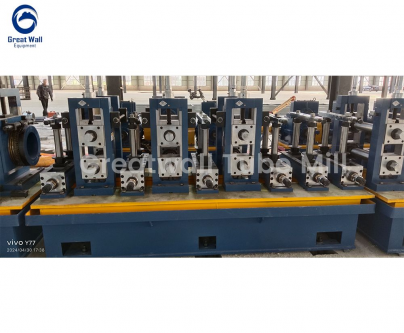
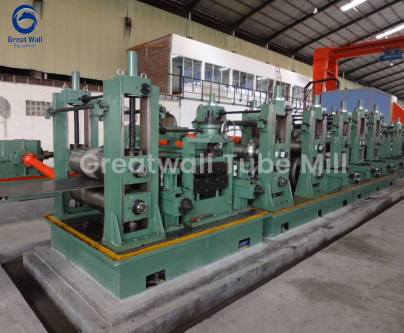
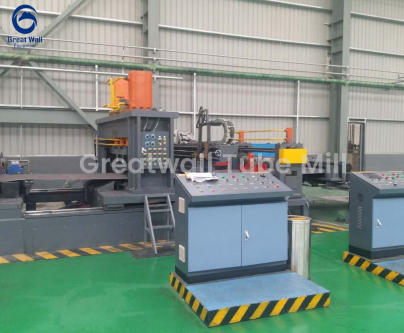
In the realm of modern manufacturing, the pipe production line stands as a crucial element in ensuring efficient and effective operations. It encompasses the entire process, from raw material handling to the final product output. Pipelines are essential in various industries, including construction, automotive, and energy, making the understanding of their production vital for manufacturers looking to streamline their processes. This comprehensive guide will delve into the components, setup, and operational strategies of a pipe production line, highlighting essential practices that modern manufacturing plants should adopt.
Understanding the Components of a Pipe Production Line
- Raw Material Handling
- Selection of materials (e.g., steel, plastic, and composites).
- Storage solutions and inventory management.
- Manufacturing Equipment
- Overview of essential machinery: extruders, welders, and cutters.
- Importance of selecting the right equipment for specific types of pipes.
- Quality Control Mechanisms
- Inspecting raw materials and end products for durability and compliance.
- Implementation of industry standards and certifications (ISO, ASTM).
Setting Up Your Pipe Production Line
- Layout Planning
- Designing an efficient factory layout for machinery and workflow.
- Consideration for safety and accessibility.
- Process Flow Optimization
- Mapping the production process from start to finish.
- Identifying bottlenecks and implementing lean manufacturing principles.
- Assembly Line Training
- Training staff on machinery operation and safety protocols.
- Promoting a culture of continuous improvement.
Operational Strategies for Efficiency
- Regular Maintenance of Equipment
- Creating a maintenance schedule to prevent downtime.
- Using predictive maintenance technology for proactive repairs.
- Data-Driven Decision Making
- Implementing manufacturing execution systems (MES) for real-time data monitoring.
- Utilizing analytics to enhance production efficiency and reduce waste.
- Collaboration and Communication
- Encouraging teamwork across departments for seamless operations.
- Leveraging digital communication tools to enhance information flow.
Innovations in Pipe Production Technology
- Automation and Robotics
- Incorporating robotics to improve precision and speed in production.
- Advantages of automated quality inspection systems.
- 3D Printing in Pipe Production
- Exploring the role of additive manufacturing in producing customized pipes.
- Benefits of reduced lead time and material usage.
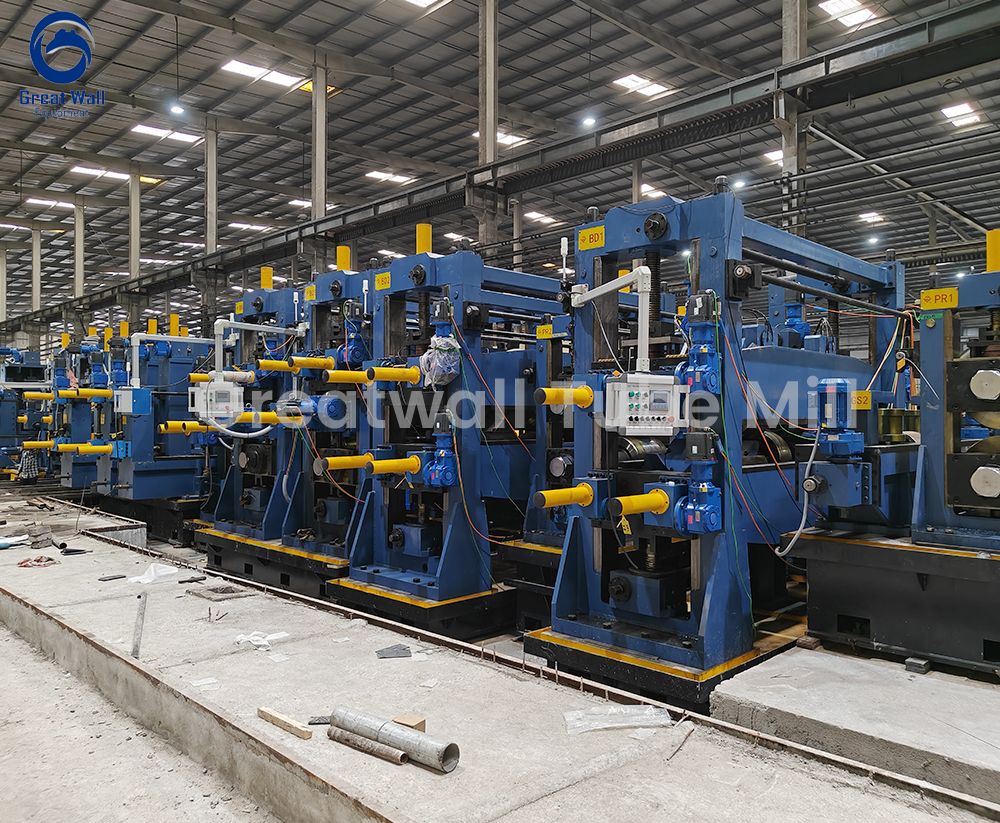
Great wall equipment has successfully optimized its pipe production line by integrating state-of-the-art technology and automation solutions. With advanced machinery that enhances production speed and throughput, Great Wall has positioned itself as a leader in the manufacturing sector. Its commitment to quality and efficiency exemplified through adherence to industry standards and use of innovative manufacturing practices can serve as a model for modern manufacturing plants aiming for excellence.
Continuous Improvement and Sustainability
- Implementing Sustainable Practices
- Adopting eco-friendly materials and production methods.
- Reducing waste through recycling initiatives.
- Engaging in Industry Partnerships
- Collaborating with other manufacturers to share best practices.
- Participating in research and development projects for innovation.
Future Trends and Innovations in Pipe Manufacturing
- Smart Manufacturing and IoT Integration
- Utilizing the Internet of Things (IoT) for enhanced monitoring and control.
- Exploring the potential of AI in predictive maintenance and product design.
- Market Demand for Specialty Pipes
- Identifying trends in custom and high-performance pipe applications.
- How to pivot production lines to meet changing market needs.
Conclusion
In conclusion, the pipe production line is a cornerstone of modern manufacturing plants. By understanding its components, setting up an efficient workflow, implementing effective operational strategies, and staying ahead of industry trends, manufacturers can achieve substantial improvements in productivity and quality. Staying informed about technological developments, such as automation and sustainability, will be key to thriving in today's competitive market.