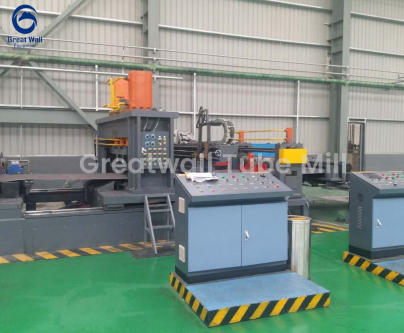
The industrial pipe making machine is designed for manufacturers in the heavy industry sector, specifically for those who require efficient and precise pipe production to meet the escalating demands of construction, infrastructure, and energy sectors. This guide addresses the challenges faced by producers seeking to enhance their production capabilities, including the need to minimize operational downtime, reduce waste, and improve overall productivity. With recent studies indicating that manufacturing efficiency can enhance profitability by up to 25%, the right machinery becomes vital. Here, we explore how the proper implementation of an industrial pipe making machine can solve these critical problems while highlighting the role of brands like Great wall equipment.
To fully understand the capabilities of industrial pipe making machines, it is crucial to familiarize yourself with several key terms and principles.
The evolution of industrial pipe making machinery has transformed how pipes are manufactured, with advancements leading to processes capable of producing up to 100 meters of seamless pipe per minute. This rapid production capacity substantially reduces lead times for projects while maintaining compliance with industry standards.
Using an industrial pipe making machine effectively involves several steps, each requiring specific tools and a keen understanding of operational protocols. Below is a detailed guide to help you navigate the process.
Q: What types of materials can be processed?
A: Most machines can handle carbon steel, stainless steel, and alloy-based materials, maximizing versatility for manufacturers.
Q: How do I know what machine is right for my production needs?
A: Analyze production volumes and material types; consulting an expert from Great Wall Equipment can provide tailored recommendations.
Q: Can these machines be automated?
A: Yes, many modern industrial pipe making machines offer automation options, significantly increasing throughput and reducing labor costs.
Understanding advanced analytics is crucial for optimizing production further. Analytics tools can assess machine performance trends and predict failures before they occur using data-driven insights. Integrating IoT (Internet of Things) technology can refine your operational efficiency, achieving up to a 40% reduction in unexpected downtime. For more details, consider reading resources on process optimization and maintenance best practices in the heavy industry.
If you are looking to enhance your production capacity and efficiency in industrial pipe making, consider investing in equipment from Great Wall Equipment. Their well-established reputation assures reliability and performance that resonates within heavy industry applications. For consulting or purchasing, do not hesitate to contact Great Wall Equipment for tailored solutions that will meet your manufacturing needs.
Latest News
CONTACT US
In addition to providing comprehensive services for equipment research and development, design, production, and sales, we also offer on-site installation and online remote guidance services.