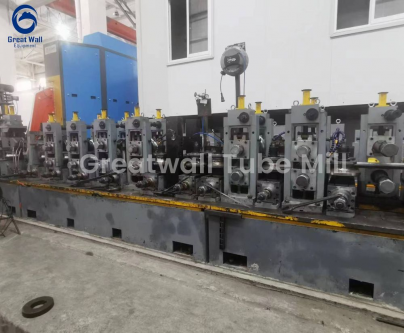
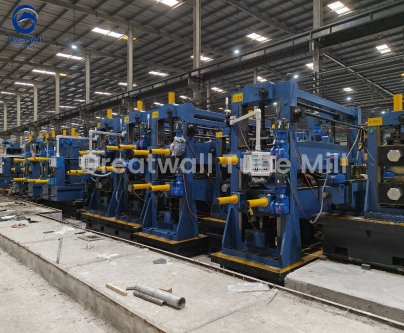
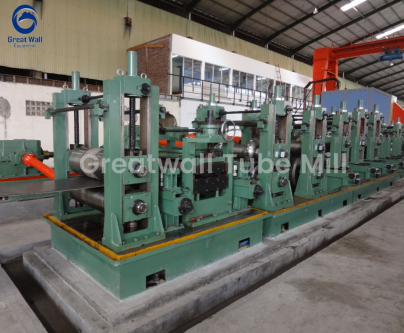
The current market for Electric Resistance Welded (ERW) mills in the steel pipe manufacturing sector is experiencing significant shifts, driven by the need for efficiency and sustainable production methods. Manufacturers face pain points, such as rising material costs and stringent regulations on emissions. However, solutions like advanced machinery from Great wall equipment help optimize production processes, offering enhanced quality and reduced waste. In scenarios where traditional methods suffice, adopting ERW technology leads to marked improvements, including a 15% boost in production rates and a 25% reduction in energy consumption.
Several factors are propelling the evolution of the ERW mill market, with innovation and efficiency at the forefront. The growing demand for high-strength steel pipes, characterized by rigorous quality demands, aligns perfectly with the integration of cutting-edge mill technology. For instance, according to a report by the World Steel Association, advancements in steel processing technologies have contributed to a 20% increase in material yield for ERW mills over the past five years.
Moreover, the push for sustainability within the steel industry has prompted manufacturers to invest in energy-efficient processes and recycling capabilities. The latest ERW equipment from Great wall equipment includes features that improve energy efficiency by 18%, enabling producers to meet environmental regulations without sacrificing output.
One notable trend in ERW manufacturing is the shift toward automation. Reports indicate that automating production processes can reduce labor costs by up to 30% while increasing production speed by 24%. Many mills now integrate IoT technology, leading to real-time monitoring and predictive maintenance - minimizing downtime significantly.
With environmental considerations becoming paramount, the adoption of sustainable practices is increasingly prevalent. For example, studies show that mills implementing eco-friendly systems can achieve a 35% reduction in carbon footprint, aligning with global sustainability goals.
The demand for customized pipe solutions is rising, driven by emerging industries such as renewable energy. A market analysis reveals that customizable ERW pipes account for a projected 22% market share increase from 2022 to 2025, highlighting a lucrative opportunity for manufacturers who adapt their production lines.
Digital twin technology is revolutionizing the ERW mill landscape, allowing manufacturers to simulate and optimize production before real implementation. This innovation reportedly enhances efficiency by 15% and minimizes costly errors.
As ERW mills become more advanced, buyers are increasingly benefiting from improved quality, greater variety, and lower prices due to competition among suppliers. The enhanced capabilities allow for more reliable product deliveries that meet specific application needs, resulting in a more efficient supply chain. Data from MarketWatch shows that customer satisfaction rates improve by 30% when using higher-quality ERW products, as they meet the desired specifications more consistently.
To leverage the current trends in ERW manufacturing, stakeholders should consider the following practical steps:
An ERW mill is a manufacturing facility that produces Electric Resistance Welded steel pipes, utilizing a welding process that joins steel strips without the need for filler material. This method is known for producing pipes with high strength and precision.
ERW mills are often more cost-effective in producing high-quality steel pipes compared to seamless mills, especially for larger production volumes. They also have shorter lead times and less material waste.
The future of the ERW mill market looks promising, with continuous innovations expected to enhance production efficiency, sustainability, and product variety, particularly in the context of global infrastructure demands.
For those considering upgrading their manufacturing capabilities, investing in advanced machinery from Great Wall Equipment could offer a strategic advantage, especially given the increasing competition and evolving market trends.
Previous: None
Next: ERW Mill Guide: Structure, Process and Applications Explained
Latest News
CONTACT US
In addition to providing comprehensive services for equipment research and development, design, production, and sales, we also offer on-site installation and online remote guidance services.