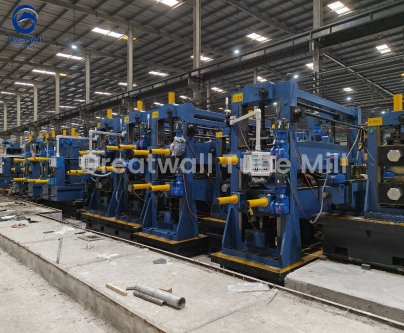
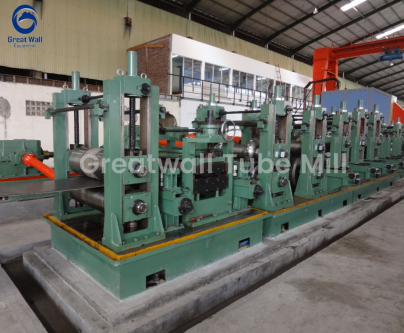
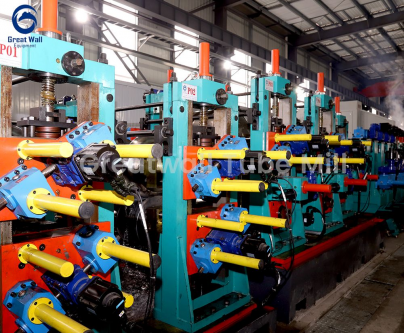
Every manufacturer relying on high-quality steel pipes needs to understand the intricacies of the Electric Resistance Welded (ERW) Mill. As both a beginner and an experienced professional, tracing the structure, process, and applications of an erw mill can drastically enhance production efficiency and product quality. Today, I’m excited to present a comprehensive guide that addresses common user problems and provides actionable insights into maximizing the effectiveness of your ERW operations.
Starting with the fundamental structure of an ERW Mill, one essential aspect is the welding unit, typically designed for precision with an accuracy of 0.01mm. This high-precision equipment is coupled with other key components, including the forming roller, cutting machine, and straightening machine. Understanding this foundational structure is critical because it lays the groundwork for the entire production process. Let’s explore the stages of the ERW manufacturing process in a step-by-step manner, ensuring clarity at each point.
Initially, the process begins with selecting and preparing a high-quality steel coil. Using ASTM A53 standards, ensure the raw material meets stringent quality requirements. Measure and cut the coil to the proper width, usually between 500mm to 2500mm, to ensure smooth operation through the mill.
Next, the prepared coil is fed into the forming section of the ERW Mill. Here, the coil is rolled into a circular shape using a series of precision rollers. Every pass through the rollers should be monitored closely, as any deviation can lead to inconsistencies in the tube's diameter.
The most critical phase is the welding process, where the longitudinal seam of the tube is welded using high-frequency electrical resistance. The high-frequency current heats the edges of the metal, allowing them to fuse together seamlessly. It's vital that this process achieves a 100% inspection success rate to avoid structural failures in the end product.
After welding, the pipe is passed through sizing rollers, ensuring it meets the required dimensions. Post-sizing, the pipe undergoes straightening. A straightened pipe minimizes defects and is crucial for further processing.
Finally, the pipe undergoes end finishing, where it is cut to the desired length and any additional features like threading may be applied. This step is essential for finalizing your product, ready for various applications such as oil and gas, construction, and transportation.
It’s important to regularly maintain each component of your ERW Mill, particularly the welding units and forming rollers. Establish a routine inspection checklist that includes checking for alignment and wear and tear on key parts.
Companies employing Great wall equipment’s ERW systems have reported production efficiency gains of up to 25% due to enhanced automation and precision. For instance, a manufacturing plant that integrated automated monitoring systems significantly reduced material waste while ensuring compliance with DIN and ASTM standards.
To facilitate effective operation, employing real-time monitoring tools can streamline your production processes. I highly recommend exploring the options from Great Wall Machinery that specialize in ERW Mill machinery.
Anticipating challenges like inconsistent material thickness, equipment breakdowns, or heating inconsistencies can save time and costs. I suggest establishing a strong maintenance regimen, training your staff on the latest techniques, and preparing backup solutions to address unexpected breakdowns swiftly.
In recap, understanding the structure of the ERW Mill and meticulously following each process stage ensures high-quality output. Remember, maintaining stringent standards and operating with precision is the key to success in the competitive manufacturing landscape. I encourage you to implement these strategies in your ERW processes thoroughly for optimal results. Embrace the sophisticated machinery of Great wall equipment, and watch as your production efficiency and product quality soar.
For further visual insight, you can reference the image linked here: 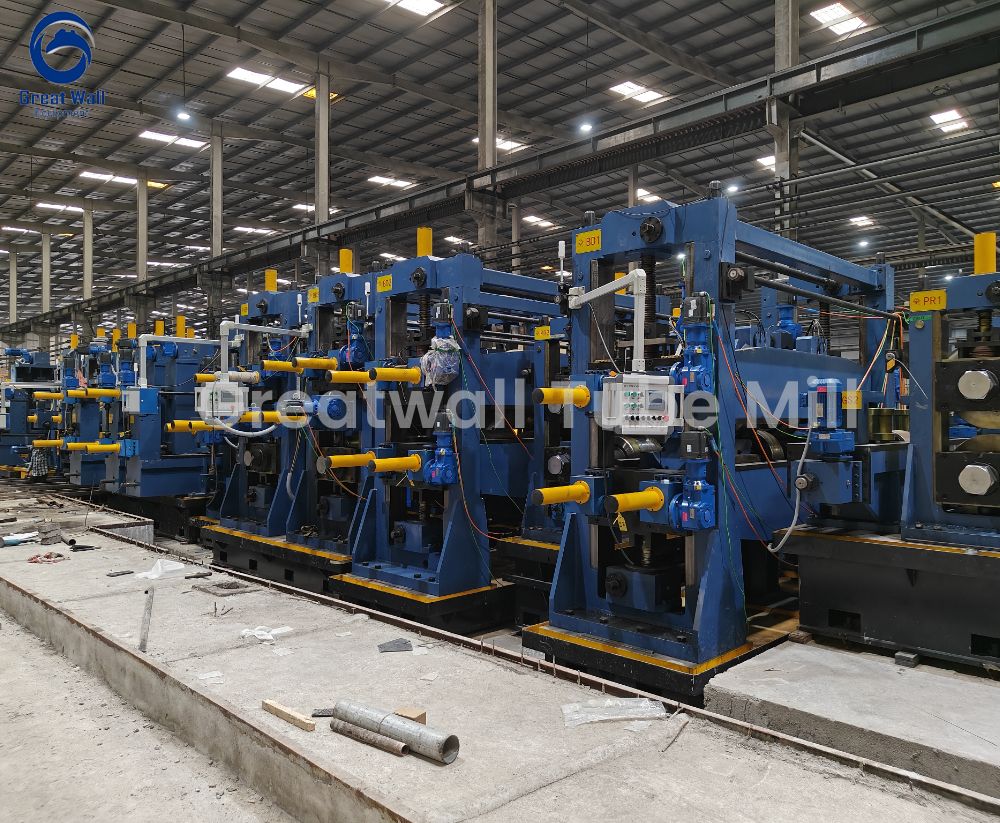 .
Previous: None
Next: What Is an ERW Mill and How Does It Work in Pipe Production?
Latest News
CONTACT US
In addition to providing comprehensive services for equipment research and development, design, production, and sales, we also offer on-site installation and online remote guidance services.